
Carolyn McGee
LMFTNevada · 6 yrs exp
Guiding people through change with practical care
Stress, Anxiety · Trauma and abuse · Self esteem · Depression · +1 more
Read profileTherapist listings are provided by BetterHelp. We will earn a commission at no extra cost to you if you use our links to buy.
Compare profiles of therapists listed in Nevada to find professionals who list experience with moves, breakups, new jobs, retirement, parenthood and bereavement. Use the profiles to compare focus areas, approaches, credentials, languages and experience, then contact the individual to confirm permission to work together where you live.
Nevada · 6 yrs exp
Guiding people through change with practical care
Stress, Anxiety · Trauma and abuse · Self esteem · Depression · +1 more
Read profile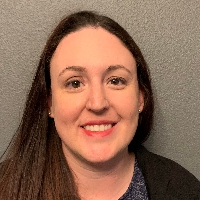
Nevada · 10 yrs exp
Experienced Nevada therapist for life transitions
Grief · Stress, Anxiety · Relationship · Family · +9 more
Read profile
Nevada · 20 yrs exp
Experienced counselor for life transitions
Family · Self esteem · Career · Coping with life changes · +5 more
Read profile
Nevada · 8 yrs exp
Hopeful support for life transitions
Stress, Anxiety · Anger · Self esteem · Bipolar · +11 more
Read profile
Nevada · 15 yrs exp
Calm guidance for major life transitions
Stress, Anxiety · Grief · Intimacy-related issues · Coaching · +11 more
Read profile
Nevada · 7 yrs exp
Practical support for life transitions and stress
Stress, Anxiety · Self esteem · Depression · Coping with life changes · +8 more
Read profileIf you are navigating a major change - relocating to a new city, ending a long relationship, starting a different career, retiring, becoming a parent, or grieving a loss - it is common to feel uncertain, disoriented and like your routines no longer fit. Therapy can be a place to explore how you are adjusting, to experiment with new daily patterns, and to work through the practical and emotional questions that come up during transitions. The profiles on this site are grouped under the listed location Nevada so you can browse therapists who indicate an interest in coping with life changes. Before you pick a provider to contact, it helps to know what to look for and what to ask so you find someone whose focus and style match what you need now.
During transitions the most concrete effects are often about routine - sleep, work patterns, household tasks, and how you organize your time. Those changes can feed uncertainty about the short-term future and shift the questions you bring to therapy. You may be thinking about practical adjustments such as finding childcare, updating finances, managing a household move, or handling legal and logistical steps after a breakup. At the same time, you may be noticing emotional themes such as identity shifts, loneliness, relief, grief, or fluctuating motivation. When you look through profiles, pay attention to descriptions that mention particular life events similar to yours, and to wording about helping people adjust to change rather than language that promises a specific result. A helpful practitioner will describe the kinds of transitions they work with, how they help clients build new routines, and the kinds of short-term goals that commonly arise in this work.
The phrase listed location on a profile indicates the geographical area the therapist has chosen to appear under in this directory. It is not proof of an office address or of current permission to practice in every situation. Academic degrees such as PhD, PsyD, MD, MA and MSW indicate educational background and research or clinical training, but a degree alone does not establish current permission to provide care. Professional permission to practice is typically granted by a state licensing board and is separate from an academic degree. When reviewing a profile, look for language that describes a license or registration and then confirm directly with the clinician or the issuing board that the license covers the setting and the place where you live. If you plan to meet in person, confirm whether the listed location corresponds to an office. If you are considering online sessions, ask whether the clinician holds permission to work with clients located in the state where you live.
When you reach out to a therapist after reviewing profiles, specific questions will help you compare how practitioners approach transitions. Ask about the kinds of transitions they have worked with - for example, moving across state lines, navigating a separation after a long partnership, changing careers later in life, becoming a parent for the first time, or coping with bereavement. Ask how they typically help people adjust in the first few sessions and what kinds of practical strategies they introduce for building new routines and managing uncertainty. If a profile mentions particular approaches, phrase your question to reflect that those approaches are listed rather than assumed training - for instance, ask a therapist who lists EMDR among their approaches how they incorporate that work with people adjusting to trauma-related changes, or ask someone who lists cognitive-behavioral approaches how they use behavioral experiments to establish new habits. Concrete questions such as "What would you expect our first three sessions to focus on?" or "How do you help clients who are unsure about their next life step?" give you clearer comparisons than general queries about philosophy.
If you are considering remote sessions, clarify whether the clinician is authorized to provide services to someone living in your state. Licensing rules differ and permission to practice across state lines can change depending on where you are located. Ask the clinician, "Do you hold a license that allows you to work with clients who live in my state?" If you are planning in-person meetings, describe the listed location and ask whether the profile reflects an office address or a different arrangement. It is also practical to discuss what a typical session looks like for someone in transition - will you focus on immediate problem-solving around logistics, on emotion-focused processing, or both? Talk about how the clinician supports the gradual building of new routines, such as sleep and activity schedules, and what kinds of homework or in-between-session work they use to help you practice changes. Finally, discuss communication norms - how scheduling, rescheduling and brief check-ins are handled - so you have a mutual understanding of practical boundaries before you begin.
When you compare profiles, read beyond labels and look for language that connects to your experience. Focus areas may be listed with phrases like coping with life changes, perinatal transitions, retirement planning, or grief and bereavement. If language on a profile resonates with the specific transition you are facing, make a note of the examples they give. Consider languages spoken and how important it is for you to work in a particular language - a profile that lists conversational ability may differ from one that lists full clinical fluency, so ask what is meant by the language listing. For credentials, separate academic degrees from professional permission: identify degrees such as PhD, PsyD, MD, MA or MSW and then ask about the clinician's current license type and the state or states where that license is active. Style is often conveyed in short phrases - whether a clinician emphasizes practical coping skills, reflective processing, narrative work about identity, or support with logistics. To compare style, ask concrete questions such as "How do you help clients re-establish daily routines after a disruptive life event?" and "What sort of between-session activities do you typically recommend for someone trying to adjust to a new role?" Those kinds of questions will give you tangible points of comparison across profiles so you can choose who to contact to explore fit further.
Browsing profiles in the Nevada listed location can help you narrow your search, but the final step is a direct conversation. Ask about the clinician's experience with situations like yours, confirm their license and permission to work where you live, and describe the immediate changes you want to address. That conversation will help you determine whether their focus areas, language skills, credentials and working style align with what you need as you move through this period of change and build new routines.
Adoption
868 therapists
Aging and Geriatric Issues
1208 therapists
Blended Family Issues
1435 therapists
Career
2527 therapists
Caregiver Issues and Stress
2093 therapists
Coping with Life Changes
4529 therapists
Divorce
2002 therapists
Family
3122 therapists
Fatherhood Issues
754 therapists
Hospice and End-of-Life Counseling
829 therapists
Life Purpose
2884 therapists
Money and Financial Issues
1063 therapists
Parenting
2611 therapists
Pregnancy
810 therapists
Separation
2002 therapists
Workplace Issues
2047 therapists