
Michelle Pellin
LMHC, LPCConnecticut · 11 yrs exp
Supportive counseling for life transitions and stress
Stress, Anxiety · Parenting · Self esteem · Depression · +16 more
Read profileTherapist listings are provided by BetterHelp. We will earn a commission at no extra cost to you if you use our links to buy.
Browse profiles of clinicians who list Hospice and End-of-Life Counseling and life-transition support to find professionals whose focus aligns with your needs. You can compare listed location, academic degrees, licenses, languages spoken, and described approaches before contacting a therapist.
Connecticut · 11 yrs exp
Supportive counseling for life transitions and stress
Stress, Anxiety · Parenting · Self esteem · Depression · +16 more
Read profile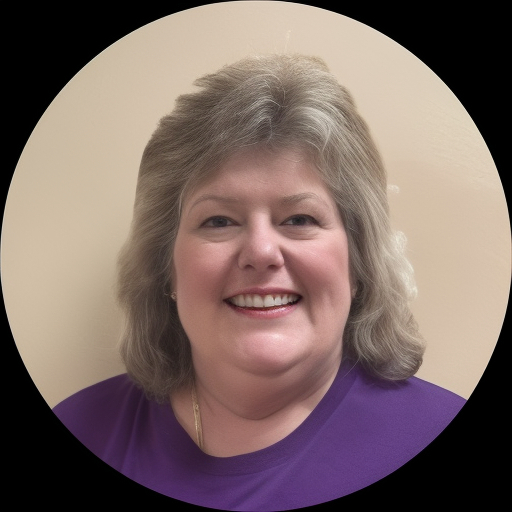
Florida · 14 yrs exp
Calm, practical support for life changes
Stress, Anxiety · Grief · Anger · Self esteem · +12 more
Read profile
Florida · 25 yrs exp
Calm, practical counseling for life changes
Stress, Anxiety · Family · Grief · Self esteem · +12 more
Read profile
Georgia · 20 yrs exp
Compassionate counselor for major life shifts
Stress, Anxiety · Addictions · Family · Anger · +13 more
Read profile
Florida · 18 yrs exp
Experienced counselor for life transitions
Stress, Anxiety · Relationship · Grief · Depression · +12 more
Read profile
Virginia · 31 yrs exp
Experienced LCSW guiding life transitions
Stress, Anxiety · Relationship · Family · Trauma and abuse · +12 more
Read profile
North Carolina · 10 yrs exp
Somatic-focused counselor for life transitions
Stress, Anxiety · LGBT · Relationship · Coping with life changes · +13 more
Read profile
Florida · 17 yrs exp
Practical support for major life changes
Addictions · Trauma and abuse · Anger · Bipolar · +14 more
Read profile
Florida · 15 yrs exp
Compassionate, practical therapy for life changes
Stress, Anxiety · Relationship · Family · Intimacy-related issues · +15 more
Read profile
Florida · 25 yrs exp
Compassionate counselor for life transitions
Addictions · Bipolar · Depression · Coping with life changes · +7 more
Read profile
South Carolina · 8 yrs exp
Support for life changes and stress
Stress, Anxiety · Relationship · Family · Coping with life changes · +11 more
Read profile
South Carolina · 8 yrs exp
Calm, practical counseling for life changes
Stress, Anxiety · Trauma and abuse · Self esteem · Depression · +16 more
Read profile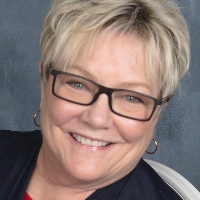
Florida · 40 yrs exp
LCSW offering practical support through life change
Addictions · Relationship · Grief · Depression · +13 more
Read profile
North Carolina · 7 yrs exp
Compassionate care for life transitions
Stress, Anxiety · Relationship · Trauma and abuse · Grief · +11 more
Read profile
Texas · 35 yrs exp
Compassionate clinician for life transitions
Stress, Anxiety · Relationship · Family · Trauma and abuse · +14 more
Read profile
Virginia · 4 yrs exp
Therapist focused on practical change
Stress, Anxiety · Grief · Anger · Self esteem · +10 more
Read profile
Florida · 16 yrs exp
Practical therapy for real life changes
Stress, Anxiety · Relationship · Parenting · Self esteem · +8 more
Read profile
North Carolina · 5 yrs exp
Calm guidance through life transitions
Stress, Anxiety · Family · Trauma and abuse · Depression · +15 more
Read profile
Virginia · 35 yrs exp
Calm, practical guidance for life transitions
Stress, Anxiety · Eating · Self esteem · Depression · +13 more
Read profile
North Carolina · 24 yrs exp
Experienced LCSW guiding practical steps
Stress, Anxiety · Relationship · Family · Trauma and abuse · +14 more
Read profile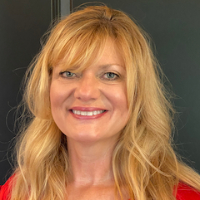
Florida · 9 yrs exp
Careful, practical support through life transitions
Stress, Anxiety · Relationship · Trauma and abuse · Bipolar · +11 more
Read profile
Delaware · 12 yrs exp
Compassionate support for major life changes
Addictions · Grief · Self esteem · Coping with life changes · +11 more
Read profile
Florida · 30 yrs exp
Compassionate guidance through life transitions
Stress, Anxiety · Trauma and abuse · Self esteem · Depression · +11 more
Read profile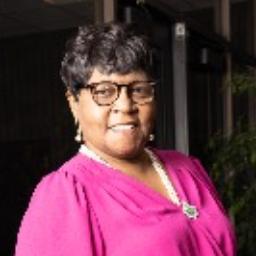
Florida · 30 yrs exp
Calm, direct help for life changes
Family · Intimacy-related issues · Stress, Anxiety · Addictions · +12 more
Read profileFacing the end of life, bereavement, or serious illness often overlaps with other major transitions you may already be navigating. You might be adjusting to retirement after a long career, moving to a new community to be closer to family, starting a new job while helping a loved one through illness, or adapting to life after a breakup or becoming a parent following loss. In each case, uncertainty and new routines can feel overwhelming, and you may look for guidance that addresses both practical adjustments and emotional shifts.
Hospice and end-of-life counseling focuses on concerns that arise at and around the end of life, including anticipatory grief, decision-making conversations, legacy projects, and bereavement. If you are also managing other transitions, you can look for clinicians who list both end-of-life work and broader life-transition support. That overlap does not imply any causal relationship between transitions and terminal illness. Instead, it highlights that some therapists present experience supporting multiple kinds of change, which can be useful if your needs span practical planning, grieving losses, and rebuilding daily routines.
This directory groups profiles by specialties so you can compare areas of focus as part of a wider transition strategy. Hospice and end-of-life counseling appears alongside other transition topics because many people seek help for overlapping concerns - for example, the emotional aftermath of bereavement can coincide with starting a new job, relocating, or changing family roles. When you review profiles, note whether a clinician explicitly mentions life transitions, bereavement, caregiving, or end-of-life work in their summary and how they describe the relationship between those areas.
Reading a profile helps you understand how a clinician frames their work and the kinds of conversations they emphasize. Some profiles will emphasize meaning-making, legacy and memory work, or support for practical decision-making, while others may highlight coping strategies for uncertainty and rebuilding daily routines. Profiles are starting points for conversations - they show self-described focus areas and approaches, but they do not replace direct discussion with a clinician about your specific needs.
When you contact a clinician, prepare clear, concrete questions so you can compare how different profiles align with your priorities. You might ask how the clinician approaches conversations about grief versus end-of-life planning, or whether they have experience supporting families through anticipatory grief and post-loss adjustment. If language or cultural context matters to you, ask about languages spoken and how cultural values inform their work. If you are concerned about therapeutic style, ask how they structure sessions, whether they focus on narrative exploration, meaning-centered discussions, symptom management, or practical problem solving.
It is also reasonable to ask about specific populations and settings. Ask whether the clinician works with caregivers, older adults, people facing serious illness, or those adjusting to major life changes like retirement or becoming a parent. Use phrasing like therapists who list EMDR among their approaches or therapists who list narrative or meaning-centered methods among their approaches when you want to know whether a given modality might be part of the work. Remember not to assume that a listed approach indicates formal certification or outcomes; instead, ask what experience they have using it in the contexts that matter to you.
If you are considering remote or online sessions, there are practical topics to cover before your first meeting. Confirm that the clinician has permission to work with clients in your listed location and that their license covers telehealth with people in your state or region. Ask how they handle emergencies or urgent needs when sessions are remote, and whether they have local referral options. Talk about how sessions are conducted technically, including what platform is used and what to do if a connection drops, and describe any accessibility or communication needs you have so they can be accommodated.
Discuss expectations for session length and pacing, whether family members may be involved, and how information-sharing boundaries of your conversations is maintained in a remote setting. If you want to involve others - for instance, a partner, adult child, or caregiver - ask how the clinician balances individual and family conversations. Also discuss cultural or spiritual practices that are important to you, and whether the clinician has experience integrating those practices into supportive conversations around end-of-life and transition topics.
When you scan profiles on this page, look for clear indicators that help you compare clinicians side by side. Focus areas and short summaries tell you what a clinician emphasizes, while listed languages are important if you prefer to work in a language other than English. Academic degrees such as PhD, PsyD, MD, MA, and MSW indicate educational preparation, but a degree alone does not establish current permission to practice. Licenses or registrations are the credentials that indicate a clinician is permitted to provide care in a given jurisdiction, so confirm both the degree and the current license when you follow up.
Profile descriptions can also convey therapeutic style. Some clinicians describe their work as reflective and exploratory, others as practical and solution-focused, and some as relational and family-centered. Compare how clinicians talk about goals, whether they emphasize coping skills for daily routines, meaning-making, or communication with family and care teams. Keep in mind that a listed topic does not automatically mean a clinician treats children, couples, or families. If your needs involve others, ask directly about the clinician's scope and experience with those configurations.
Finally, use profiles to identify questions you want to bring to an initial conversation. Ask about their experience with bereavement, caregiving, or hospice contexts, how they integrate life-transition concerns such as moves, job changes, or becoming a parent into their work, and what you can expect from the first few meetings. Verify the clinician's listed location and permission to work in your area, and confirm the languages they speak. These concrete comparisons help you narrow choices and decide which profiles to explore further through direct contact.
Profiles on this page are a starting point to help you compare clinicians by focus, description, and practical details. When you find profiles that match your priorities, reach out to the clinician to confirm license and permission to practice in your listed location and to discuss whether their approach and experience fit your current transition. Direct conversations will give you the clearest sense of whether a clinician can support the specific mix of end-of-life concerns and life changes you are navigating.
If you are managing several transitions at once - for example balancing caregiving with a job change or planning for retirement while grieving - look for clinicians whose profiles describe work across those areas and who invite a collaborative plan for addressing both practical tasks and emotional adjustment. That combination can help you build new routines, reduce uncertainty, and find ways to move forward while honoring loss and change.
Alabama
25 therapists
Alaska
2 therapists
Arizona
12 therapists
Arkansas
7 therapists
California
31 therapists
Colorado
13 therapists
Connecticut
8 therapists
Delaware
39 therapists
District of Columbia
48 therapists
Florida
1824 therapists
Georgia
500 therapists
Hawaii
6 therapists
Idaho
3 therapists
Illinois
16 therapists
Indiana
11 therapists
Iowa
4 therapists
Kansas
5 therapists
Kentucky
12 therapists
Louisiana
19 therapists
Maine
2 therapists
Maryland
280 therapists
Massachusetts
5 therapists
Michigan
15 therapists
Minnesota
4 therapists
Mississippi
7 therapists
Missouri
8 therapists
Nebraska
1 therapist
Nevada
6 therapists
New Hampshire
3 therapists
New Jersey
18 therapists
New Mexico
5 therapists
New York
34 therapists
North Carolina
669 therapists
Ohio
19 therapists
Oklahoma
5 therapists
Oregon
4 therapists
Pennsylvania
35 therapists
Rhode Island
3 therapists
South Carolina
335 therapists
Tennessee
17 therapists
Texas
56 therapists
Utah
7 therapists
Vermont
4 therapists
Virginia
333 therapists
Washington
6 therapists
West Virginia
56 therapists
Wisconsin
4 therapists
Wyoming
3 therapists