
Michelle Pellin
LMHC, LPCConnecticut · 11 yrs exp
Supportive counseling for life transitions and stress
Stress, Anxiety · Parenting · Self esteem · Depression · +16 more
Read profileTherapist listings are provided by BetterHelp. We will earn a commission at no extra cost to you if you use our links to buy.
This page groups therapists who list Blended Family Issues among their specialties alongside work on life transitions. You can compare profiles by therapeutic approach, credentials, listed location, languages and counseling style and browse to learn more.
Connecticut · 11 yrs exp
Supportive counseling for life transitions and stress
Stress, Anxiety · Parenting · Self esteem · Depression · +16 more
Read profile
Florida · 20 yrs exp
Compassionate counselor for life transitions
Stress, Anxiety · Addictions · Relationship · Self esteem · +16 more
Read profile
North Carolina · 10 yrs exp
Faith-informed therapist blending skills and values
Stress, Anxiety · Relationship · Family · Bipolar · +16 more
Read profile
Georgia · 20 yrs exp
Compassionate counselor for major life shifts
Stress, Anxiety · Addictions · Family · Anger · +13 more
Read profile
Florida · 10 yrs exp
Supportive LCSW for life transitions
Stress, Anxiety · Addictions · Family · Grief · +8 more
Read profile
Florida · 18 yrs exp
Experienced counselor for life transitions
Stress, Anxiety · Relationship · Grief · Depression · +12 more
Read profile
Florida · 30 yrs exp
Experienced Florida psychologist for life transitions
Stress, Anxiety · Grief · Anger · Depression · +15 more
Read profile
Florida · 10 yrs exp
Calm, practical help for life transitions
Stress, Anxiety · Family · Parenting · Self esteem · +10 more
Read profile
Texas · 6 yrs exp
Calm, practical support for life changes
Relationship · Family · Parenting · Self esteem · +7 more
Read profile
Virginia · 31 yrs exp
Experienced LCSW guiding life transitions
Stress, Anxiety · Relationship · Family · Trauma and abuse · +12 more
Read profile
Georgia · 17 yrs exp
Compassionate counselor for life changes
Relationship · Family · Trauma and abuse · Career · +13 more
Read profile
Florida · 22 yrs exp
Steady practical support for life transitions
Stress, Anxiety · Relationship · Family · Self esteem · +10 more
Read profile
North Carolina · 10 yrs exp
Somatic-focused counselor for life transitions
Stress, Anxiety · LGBT · Relationship · Coping with life changes · +13 more
Read profile
Georgia · 18 yrs exp
Practical, supportive counseling for life transitions
Stress, Anxiety · Self esteem · Bipolar · Depression · +13 more
Read profile
South Carolina · 20 yrs exp
Practical, steady therapy for life transitions
Stress, Anxiety · Relationship · Eating · Self esteem · +10 more
Read profile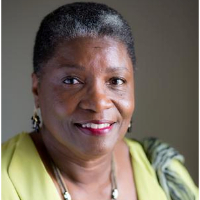
Florida · 12 yrs exp
Calm guidance for life transitions
Stress, Anxiety · Addictions · Parenting · Depression · +8 more
Read profile
Florida · 13 yrs exp
Applied, direct counseling for everyday struggles
Stress, Anxiety · Relationship · Intimacy-related issues · Depression · +15 more
Read profile
South Carolina · 13 yrs exp
Helping people through life transitions
Stress, Anxiety · Family · Parenting · Self esteem · +10 more
Read profile
Maryland · 25 yrs exp
Experienced counselor for life transitions
Stress, Anxiety · Addictions · Relationship · Grief · +12 more
Read profile
Delaware · 28 yrs exp
Compassionate, practical therapy for life transitions
Stress, Anxiety · Family · Self esteem · Depression · +11 more
Read profile
Georgia · 36 yrs exp
Compassionate, experienced counselor for life changes
Stress, Anxiety · Family · Trauma and abuse · Self esteem · +13 more
Read profile
Florida · 16 yrs exp
Calm guidance through major life transitions
Stress, Anxiety · Trauma and abuse · Self esteem · Depression · +6 more
Read profile
South Carolina · 5 yrs exp
Practical counseling for life transitions
Relationship · Family · Trauma and abuse · Intimacy-related issues · +15 more
Read profile
Florida · 15 yrs exp
Compassionate, practical therapy for life changes
Stress, Anxiety · Relationship · Family · Intimacy-related issues · +15 more
Read profileWhen you join two households or add new adults and children into a family structure, the practical demands and emotional dynamics can multiply quickly. You may be managing conflicting routines, differing parenting expectations, attachments to previous relationships, or the logistics of moves, new jobs, retirement, becoming a parent, breakups and bereavement. Those events all introduce change and uncertainty, and adjustment often involves rebuilding daily rhythms, renegotiating roles and creating consistent boundaries so everyone can feel known and respected. You might find that small daily rituals - shared meals, predictable handoffs for childcare, or agreed-upon times for one-on-one conversations - ease the stress of transition. At the same time, grief about what was lost, unresolved conflict with an ex-partner, or financial strain can intensify friction in a blended household. Recognizing the practical and emotional aspects together helps you identify the kind of support that will fit your situation.
Blended family concerns often overlap with other transitional challenges rather than originating from a single cause. If you are moving, starting a new job, retiring or becoming a parent, those changes can add pressure to relationships and make negotiating family roles more difficult. Similarly, a breakup or bereavement can trigger patterns you and your household have not had to manage before. This directory groups profiles that list both blended family issues and transitions so you can explore professionals who indicate an interest in working at that intersection. That grouping is descriptive of what therapists report in their profiles and is not evidence of certification or a guarantee of a specific expertise. It is useful to think of blended family work as one area within a larger transition-focused view - therapists who list Coping with life changes among their specialties may bring an orientation toward adjustment and routine-building, while also using various therapeutic approaches you can discuss with them.
When you review profiles, prepare questions that help you learn how a clinician tends to work and whether their focus aligns with your needs. Ask how they typically support families through changes in routines and roles, and whether they have experience addressing the particular transition you are facing - such as moving, becoming a parent, or bereavement. If you are interested in certain approaches, inquire whether they list those approaches within their profile; for example, you can ask about therapists who list EMDR among their approaches or those who describe a family-systems perspective. Because a profile topic is not the same as demonstrated training or a license, it is appropriate to ask how they apply a named approach in practice and what kinds of clients they commonly work with. If your situation involves children or couples, ask directly whether they work with children, couples, or family systems and how they balance individual and relational goals. Concrete questions about a therapist's typical goals for early sessions, how they measure progress, and how they involve multiple household members will help you evaluate fit more clearly than general statements about experience.
If you plan to meet with a therapist remotely or in person, there are several practical topics to discuss before beginning. Confirm that the clinician holds an active license and that they have permission to practice in your listed location, since licensure rules vary across jurisdictions and a degree alone - whether PhD, PsyD, MD, MA or MSW - does not by itself establish current permission to practice. Ask about how they handle information-sharing boundaries-related matters and what privacy practices they follow for records and communications. It is also reasonable to inquire about emergency planning - what steps they recommend if you or a family member experiences a crisis between sessions - and how they coordinate care with other providers if needed. If technology will be involved, discuss basic technical requirements and a backup plan for interruptions. Finally, talk about what family members or children might be invited to attend sessions, how any shared sessions are arranged, and what steps will be taken to make participation workable for everyone in the household.
Profiles can help you narrow choices by making aspects of practice visible, but you will want to compare specifics rather than rely on single labels. Look at the focus areas listed to see whether a therapist mentions stepfamily work, co-parenting after separation, or coping with life changes in ways that match your priorities. Check languages listed to ensure communication will be comfortable for you or your family. When examining credentials, note academic degrees separately from professional licenses; a PhD or PsyD indicates a level of graduate education while licenses such as state licensure, clinical social work registration or similar credentials indicate permission to practice under local regulations. Always verify that a clinician's listed license is current and that they are authorized to work with you in your location. Pay attention to how therapists describe their style - some profiles emphasize practical skills and routine-building, others highlight emotional processing or systems-level work - and think about which style will feel most helpful for your household. If a profile names particular approaches, remember that this is descriptive and you can ask whether and how those approaches are used with families like yours. Finally, use the listed location information to consider scheduling and logistics that matter to you, and read profiles to find clinicians whose emphasis on transition-related adjustment and routine creation resonates with what you are facing.
As you move through profiles, keep a short list of the most relevant questions to ask when you contact a therapist. Focus on how they handle the practical realities of blended living, how they engage multiple family members, and how they support you through related life changes such as moves, job shifts, retirement, or bereavement. Verify licensure status and permission to work in your listed location before starting, and be clear about whether you need someone who works with children or couples in addition to individuals. Use profiles to compare approaches, languages and stated focus areas, and then use direct conversation to clarify scope of practice, communication norms and any other practical concerns. Taking these steps will help you make an informed choice about who to speak with first as you navigate adjustments and build new routines within your blended family.
Alabama
25 therapists
Alaska
2 therapists
Arizona
12 therapists
Arkansas
7 therapists
California
31 therapists
Colorado
13 therapists
Connecticut
8 therapists
Delaware
39 therapists
District of Columbia
48 therapists
Florida
1824 therapists
Georgia
500 therapists
Hawaii
6 therapists
Idaho
3 therapists
Illinois
16 therapists
Indiana
11 therapists
Iowa
4 therapists
Kansas
5 therapists
Kentucky
12 therapists
Louisiana
19 therapists
Maine
2 therapists
Maryland
280 therapists
Massachusetts
5 therapists
Michigan
15 therapists
Minnesota
4 therapists
Mississippi
7 therapists
Missouri
8 therapists
Nebraska
1 therapist
Nevada
6 therapists
New Hampshire
3 therapists
New Jersey
18 therapists
New Mexico
5 therapists
New York
34 therapists
North Carolina
669 therapists
Ohio
19 therapists
Oklahoma
5 therapists
Oregon
4 therapists
Pennsylvania
35 therapists
Rhode Island
3 therapists
South Carolina
335 therapists
Tennessee
17 therapists
Texas
56 therapists
Utah
7 therapists
Vermont
4 therapists
Virginia
333 therapists
Washington
6 therapists
West Virginia
56 therapists
Wisconsin
4 therapists
Wyoming
3 therapists