Therapist profile
Paul Jones
Practical support for life transitions
Review online therapy options on BetterHelp.
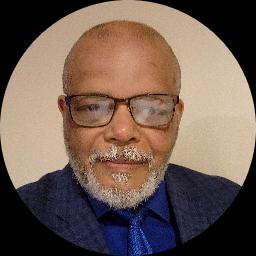
- client-centered
- practical strategies
- strengths focused
About Paul
Paul draws on a client-centered stance that looks at each person's strengths and life context. He pays attention to relationships, stress, and what led someone to seek help. Sessions often focus on improving communication, managing anxiety, and building routines that reduce overwhelm.
He also works with people coping with trauma and abuse, addiction, and changes such as separation or caregiving demands. Paul supports clients who are facing career challenges, questions about life purpose, or the strain that comes with parenting and blended family situations.
His style blends cognitive-behavioral tools with attachment and mindfulness ideas. That means he helps clients notice unhelpful thoughts, practice new behaviors, and tune into emotional experiences in manageable ways. He can use a faith-informed perspective when clients want that included.
Paul aims to help people leave sessions with concrete strategies they can apply at home. He emphasizes building self-esteem, improving day-to-day functioning, and creating plans that fit each person's life. Prospective clients in North Carolina can expect a down-to-earth, goal-oriented approach.
Approaches that translate to online work
Attachment-Based Therapy looks at how early and close relationships shape current patterns. Online sessions can help clients notice repeated interaction styles and try new ways of relating in daily life. Cognitive Behavioral Therapy (CBT) focuses on identifying unhelpful thoughts and testing different behaviors. That approach works well online through homework, thought records, and skill practice between sessions. Mindfulness Therapy teaches simple awareness practices to reduce reactivity and manage stress, which can be guided during remote sessions and practiced at home.Choosing the right approach is a collaborative process. The therapist will review a client's concerns, goals, and preferences and adjust methods over time. Clients are encouraged to give feedback about what feels useful so the plan can change as progress is made.
The profile does not list specific session formats, so confirm current options before booking. In general, online therapy can make it easier to fit sessions into a busy week, reduce travel time, and allow shorter check-ins when schedules are tight. It also supports doing behavioral experiments and between-session tasks in the settings where clients live and work, keeping progress tied to real life.
Areas of expertise
Primary focus
Also works with
Additional focus areas
Therapeutic approaches
Experience
8+ years
Credentials
North Carolina
Languages
English
Frequently asked questions
What kinds of concerns does he help with?
He helps people facing stress, anxiety, depression, trauma and abuse, addiction, and parenting strain. Coping with life changes and career questions are also common topics.
What is his therapeutic style like?
His style is practical and client-centered, using clear steps and life strategies. Sessions emphasize communication skills, emotional awareness, and day-to-day problem solving.
How much clinical experience does he have?
He brings eight years of clinical social work experience. Before social work, he had a long career in the military which informs his practical approach.
What credentials and region are listed?
He is an LCSW, Licensed Clinical Social Worker, holding an NC LCSW in North Carolina.
In which language are sessions offered?
Sessions are offered in English.
What session formats are used?
The original profile does not specify session formats, so confirm the current session options before booking.
How are fees handled?
Cost varies with location and therapist arrangements; sessions use a subscription model that can be canceled at any time.
How do I begin working with him?
Select the Start Therapy button, complete the short matching questionnaire, and schedule according to therapist availability.