Therapist profile
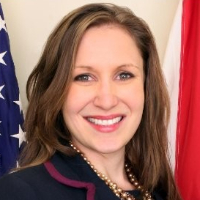
Jennifer Evans
Guiding practical change and emotional resilience
Review online therapy options on BetterHelp.
- Person-centered care
- Hands-on strategies
- Trauma-aware approach
About Jennifer
She combines person-centered care with cognitive-behavioral tools and clear psychoeducation. Jennifer focuses on building understanding of the beliefs and experiences that shape feelings and behavior. Sessions aim to teach practical skills that make emotions easier to manage day to day.
Jennifer trained in art therapy at the master’s level and brings more than two decades of counseling experience. Her background includes living and working in multiple states and adapting care for people from varied circumstances. That lived experience informs a flexible, down-to-earth approach to therapy.
In the room she listens for what matters most, then works with each person to set realistic goals. She uses acceptance and commitment ideas, attachment-focused perspectives, and emotionally focused methods when they fit a person’s needs. The focus is on what people can do now to feel steadier and clearer about the future.
Clients can expect straightforward conversations, behavioral strategies, and tools to build resilience. Jennifer emphasizes collaboration and practical steps so progress feels measurable. To begin, people complete a brief matching questionnaire and schedule sessions according to availability.
Therapeutic approaches that translate to online care
Acceptance and Commitment Therapy (ACT) helps people notice thoughts and feelings without fighting them and then take meaningful action based on personal values; it can be useful for stress, anxiety, and life changes. Attachment-Based Therapy looks at how early relational patterns affect current connections and safety in relationships, which can help with trust, abandonment, and relationship concerns. Cognitive Behavioral Therapy (CBT) focuses on changing unhelpful thinking and behavior patterns through clear exercises and homework, which often helps with depression, anxiety, and anger.Finding the right approach is a collaborative process. The therapist will discuss goals, preferences, and what has or hasn’t worked before. Together they’ll try methods that fit a person’s everyday life and adjust the plan as progress is made.
Confirm the current session formats before booking. Many people appreciate online therapy because it can fit into busy schedules, make it easier to include short check-ins, and reduce travel time. Online sessions can also allow for flexible pacing of work between sessions through assigned exercises and follow-up discussion, helping strategies transfer into daily routines.
Areas of expertise
Primary focus
Also works with
Additional focus areas
Therapeutic approaches
Experience
21+ years
Credentials
Florida, Virginia
Languages
English
Frequently asked questions
What concerns does Jennifer address?
She supports people facing stress, anxiety, depression, grief, addiction, career transitions, coping with life changes, relationship strain, trauma and related challenges.
What is her therapeutic style like?
Her style is person-centered and practical. She listens carefully, teaches skills, and uses clear psychoeducation to help people manage emotions and reactions.
How much experience does she have?
She brings 21 years of counseling experience and has worked in multiple states across varied settings.
What credentials and location are listed?
She holds LMHC and LPC credentials and is based in Florida with licensure noted as FL LMHC and VA LPC.
Which languages are available for sessions?
Sessions are offered in English.
Are international clients accepted?
International clients are not currently accepted.
How much do sessions cost?
Cost varies with location and therapist availability; sessions use a subscription model that can be canceled at any time.
How do I begin working with her?
Select the Start Therapy button, complete a short matching questionnaire, and schedule according to therapist availability.