Therapist profile
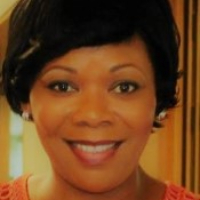
Dr. Deborah Harris-Sims
Compassionate counselor for life transitions
Review online therapy options on BetterHelp.
- Client-centered care
- Problem-solving focus
- Trauma informed
About Deborah
Dr. Sims draws on approaches like client-centered work, cognitive behavioral methods, and solution-focused strategies. She uses these to help with relationship strain, stress, anxiety, depression, grief, and coping with life changes. She also supports people dealing with trauma and abuse and with concerns around intimacy, self-esteem, and addictions.
Her background includes long-term counseling roles and work in varied clinical settings over 20 years. That experience informs a flexible approach that adapts to each person’s situation. She pays attention to how patterns from family of origin or early attachment affect present struggles.
In sessions she helps people identify practical steps, challenge unhelpful thoughts, and set short-term goals. Conversations can range from slow processing of painful events to focused problem-solving for immediate concerns. She emphasizes communication skills, boundary-setting, and rebuilding routines after disruption.
Dr. Sims is based in the District of Columbia and works in English. She accepts international clients. Before booking, confirm current session options and scheduling details through the platform’s matching process.
How therapeutic approaches guide online work
Client-centered therapy focuses on listening and adapting to each person’s needs. The therapist offers empathy, reflection, and support to help people feel heard and make their own choices about change. This is useful for handling life transitions, relationship strain, and identity concerns.Cognitive Behavioral Therapy (CBT) looks at how thoughts, feelings, and behaviors interact. In sessions clients learn to spot unhelpful thought patterns and try small behavioral experiments. CBT can help with anxiety, depression, sleep problems, and stress management.
Trauma-focused methods prioritize understanding how traumatic events affect current functioning and safety. Work may include paced processing of traumatic memories and building coping skills to manage strong emotions. This approach supports recovery from abuse and other traumatic experiences.
Finding the best approach is part of the work together. The therapist will talk with clients about goals, preferences, and what has or hasn’t helped before. That collaboration guides whether sessions emphasize short-term problem-solving, cognitive skills practice, or longer-term exploration of patterns.
The practical benefits of online therapy include fitting sessions into a busy life and making it easier to maintain regular appointments. Because the biography does not list specific session formats, confirm available delivery options before booking. Online work can make it simpler to schedule follow-ups, use brief check-ins between meetings, and focus on skills practice without a long commute.
Areas of expertise
Primary focus
Also works with
Additional focus areas
Therapeutic approaches
Experience
20+ years
Credentials
District of Columbia, South Carolina
Languages
English
Frequently asked questions
What kinds of concerns are addressed here?
Issues commonly addressed include relationship problems, depression, anxiety, trauma and abuse, stress, grief, and coping with life changes. The therapist also works with concerns like parenting strain, addictions, and career challenges.
How would you describe the therapeutic style?
The approach is attentive and person-centered, mixing cognitive behavioral techniques with solution-focused work. Sessions aim to be practical and collaborative while allowing space for deeper processing.
What experience does the therapist bring?
She has about 20 years of clinical counseling experience in a range of settings. That background includes long-term work with trauma, transitional life changes, and family of origin issues.
What credentials and location are listed?
She is a Licensed Professional Counselor (LPC) licensed in the District of Columbia. Her practice is based in Washington, DC.
Are sessions available in other languages or internationally?
Sessions are offered in English. The profile indicates that international clients are accepted.
What session formats are offered?
The original biography does not specify session formats. Please confirm current session options and delivery methods before booking.
How is cost handled for sessions?
Cost varies with location and therapist availability and uses a subscription model that can be canceled at any time. Exact pricing is provided during the matching and scheduling process.
How do I begin working with this therapist?
Start by selecting the Start Therapy button and completing the short matching questionnaire. After that you can schedule sessions according to the therapist’s availability.