Therapist profile
Dr. Barbara Romfo
Steady, experienced psychologist for life's changes
Review online therapy options on BetterHelp.
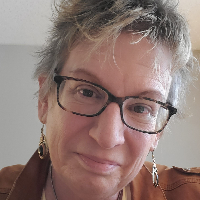
- 34 years experience
- West Virginia practice
- Life transitions focus
About Barbara
Her work often focuses on coping with life changes and the stresses that come with them. She also helps people dealing with grief, relationship strain, parenting challenges, anger, and self-esteem concerns. Chronic pain, illness, and disability are additional areas she addresses as part of a person's wider story.
Dr. Romfo integrates several approaches in her work, including client-centered therapy, cognitive behavioral therapy (CBT), dialectical behavior therapy (DBT), emotionally-focused therapy (EFT), and motivational interviewing. She draws on these methods to tailor sessions to each person's goals and pace.
Her practice is informed by Christian principles and an interest in life purpose, workplace issues, and women's concerns. She aims to create a supportive space where people can name what matters, test new ways of coping, and strengthen their decision-making.
Sessions are designed to help people build resilience and practical skills. The emphasis is on clear, usable strategies and steady emotional support as individuals move through change and recovery.
Approaches that translate well to online work
Client-centered therapy focuses on listening and understanding a person's experience. In this approach the therapist follows the client's lead and helps them clarify what they want to change or understand, which can be useful for stress, life transitions, and questions about life purpose.Cognitive behavioral therapy, or CBT, looks at the connections between thoughts, feelings, and actions. It includes practical exercises and skill-building to reduce anxiety, manage depression, and address unhelpful patterns. CBT often works well in remote sessions because many tools can be practiced between meetings.
Dialectical behavior therapy, or DBT, teaches skills for managing intense emotions, improving interpersonal effectiveness, and tolerating distress. Short skills practice and structured check-ins can fit into an online format and help people apply strategies in daily life.
Finding the right approach is part of the work together. The therapist will collaborate with each person to decide which methods fit their goals and preferences. That means trying out techniques, checking what helps, and adjusting the plan over time.
Confirm the current session options before booking, since this listing does not specify formats. Online therapy can make it easier to fit appointments into a busy schedule, allow for shorter check-ins when needed, and remove travel time. These practical benefits often help people keep momentum as they work through life changes and develop new coping skills.
Areas of expertise
Primary focus
Also works with
Additional focus areas
Therapeutic approaches
Experience
34+ years
Credentials
West Virginia
Languages
English
Frequently asked questions
What kinds of problems does she address?
She works with stress, anxiety, depression, trauma, addictions, grief, relationship and parenting concerns, anger, self-esteem issues, ADHD, and coping with life changes.
What is her general therapy style?
She uses a warm, practical style that emphasizes listening and collaboration while teaching coping skills and problem-solving techniques.
How much clinical experience does she have?
She has 34 years of experience in clinical practice supporting people through a wide range of life challenges.
What credentials and location are listed?
The listing shows WV Psychologist 956 and a practice based in West Virginia.
Which languages are available for sessions?
Sessions are offered in English.
Can international clients work with her?
She does not accept international clients at this time.
How are fees and payment set up?
Cost varies with location and therapist availability, and sessions use a subscription that can be canceled at any time.
What are the first steps to begin therapy?
Use the Start Therapy button, complete a short matching questionnaire, and schedule sessions according to the therapist's availability.